
Our Bold Vision
We believe these three principles must guide the next generation of housing policy.
We believe these three principles must guide the next generation of housing policy.
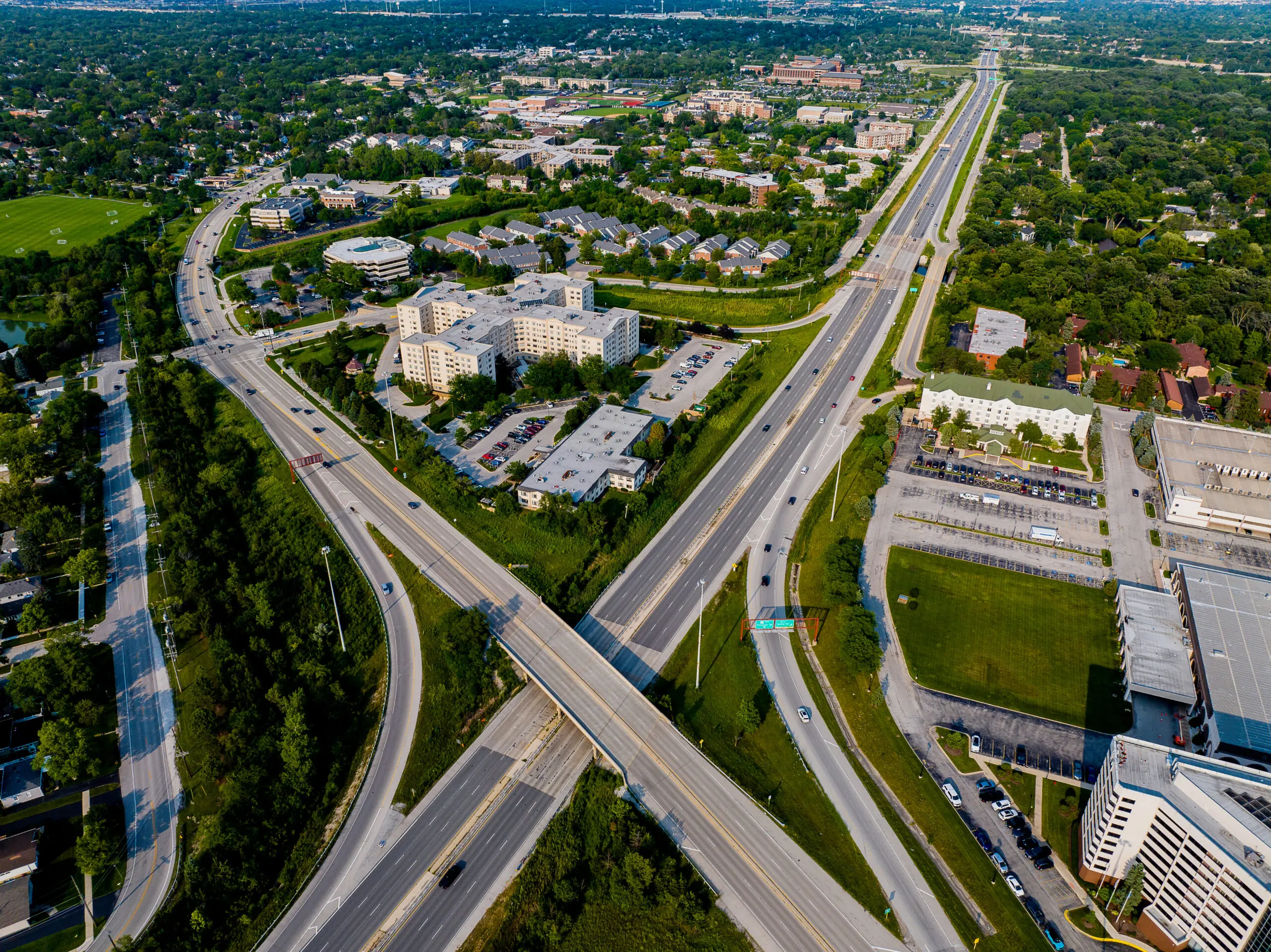
Housing scarcity wasn't inevitable. It was built by decades of rules. And what was built can be unbuilt. Today's shortage isn't a market cycle or a passing shock. It's the direct result of policy choices about where, how, and whether homes get financed and built. Federal policy can set clear national goals and reward the predictable local land use, faster approvals, and measurable supply gains that let communities build the homes they need.

More homes are on the way, but rising rents don't wait. And people losing their footing can't either. Even committed advocates for building know supply alone won't reach everyone in time. But protecting renters now shouldn't mean rent control, which shields some while discouraging construction that helps everyone else. Federal policy needs a better answer: a durable floor of housing stability, targeted, time-bound protection that keeps households secure now, without weakening the incentive to build.
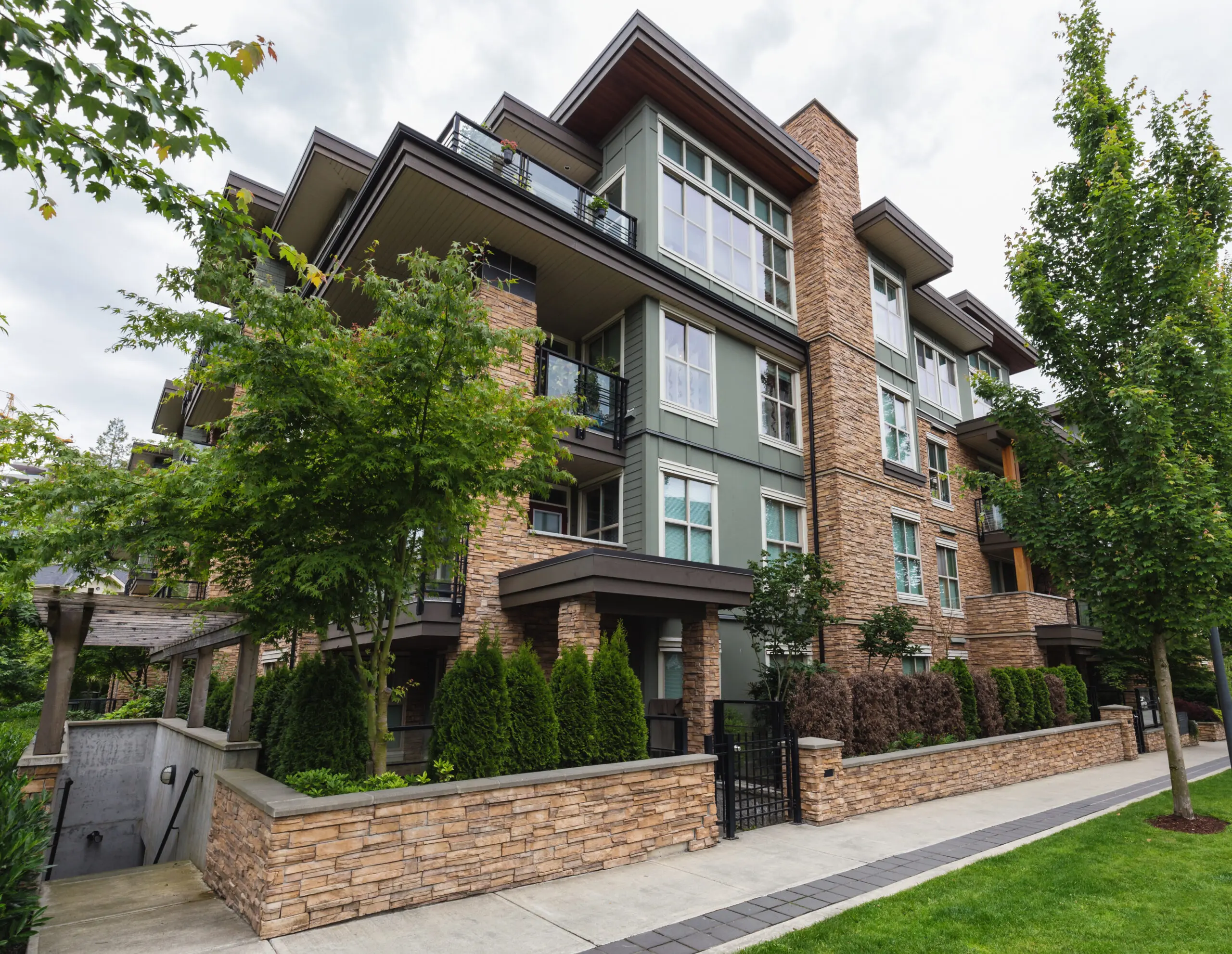
Demographics are shifting. Capital markets are evolving. And disaster risk is reshaping where people can live. Yet our housing policy is still built for the country of fifty years ago. Meeting the future takes more than additional homes. It takes the right types, sizes, and locations for how Americans will actually live and age. Federal policy must be predictable and durable enough to endure, yet flexible enough to evolve as needs keep moving.